

A Car Warranty Myth Guide
A car warranty is effectively a contract between the automaker and the buyer, promising that the vehicle will work as designed for a certain period. If something wears out abnormally or breaks prematurely, then the automaker promises to repair it at no cost to the owner. Of course, the contract works both ways, as the owner promises to maintain the car properly and drive it responsibly. Today, we’re busting a couple of long-held car warranty myths, what they cover and how to maintain them.

Safe Driving – Survive a Car Accident
Traffic laws, safety regulations, and vehicle safety systems play a large part in making car accidents survivable, but driver habits may play an even larger role. Even if you don’t drive a newer car with more safety features, here are five driver habits you should consider making part of your routine to survive a car accident.

Basic Anatomy – How The Manual Transmission Works
At its simplest, the manual transmission consists of three shafts with constantly-intermeshed gears of different sizes. The input shaft connects to the engine, via the clutch. The countershaft is constantly meshed with the input shaft and has multiple gears. The output shaft connects the countershaft to the driveshaft and eventually the wheels. In four-wheel drive and all-wheel drive vehicles, the output shaft connects to the transfer case first. Reverse gear is usually on a fourth shaft to effect a change in direction.

A Short Hybrid Cars Primer
In modern times, usually the word “hybrid” immediately calls to mind vehicles like “Prius” and “Volt,” but the history of hybrid cars goes much further back, and the breadth of hybrid cars is certainly much wider! Today, we’re looking at hybrid cars, what they are, how compare to regular cars, and how to drive them.
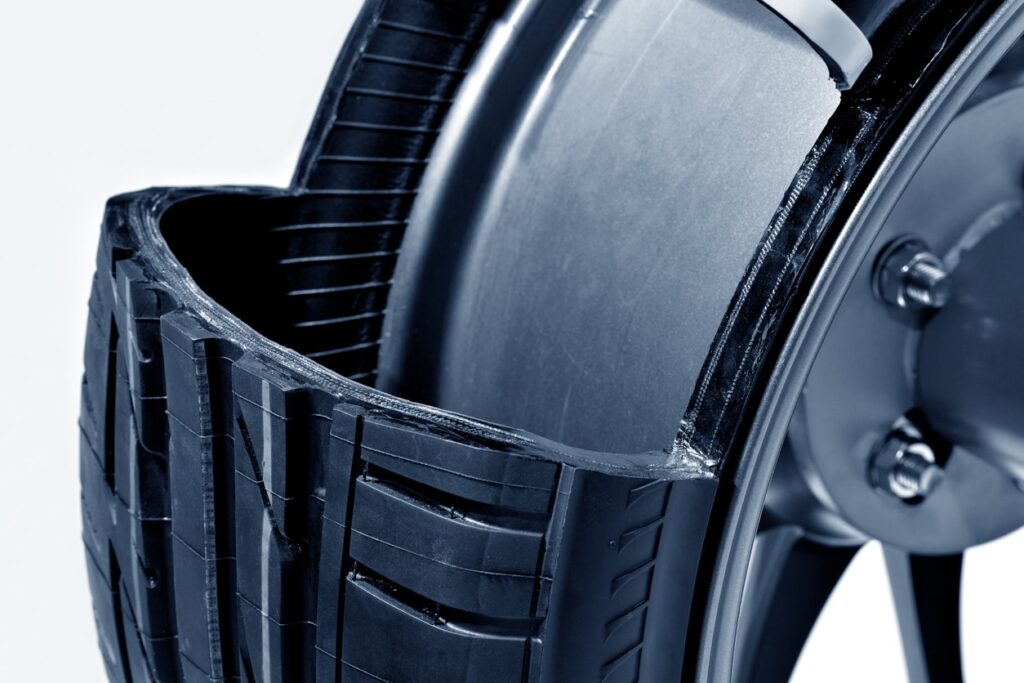
Basic Anatomy – How Car Tires Are Made and Measured
From your kid’s 12” bicycle tires to 14’ mining tires, weighing more than 6 tons each, tires are everywhere, and near 2 billion are produced worldwide every year. On your car or truck, whether you’re commuting to work or transporting family, friends, tools, or products, having the right tires in good condition makes for safe and comfortable travels year-round. Still, what exactly is a tire? How are tires made? How do you know what tires to put on your ride?

How Vehicle Safety Systems Work – Part III
In the last of this three-part series, we’re continuing to look at how safety systems keep you safe on the road. We’ve covered adaptive cruise control, traction control, electronic stability control, blind spot warning, backup camera, and parking assistance systems. We’ve also covered anti-lock brakes, brake assist, seatbelt pretensioners, forward collision warning, automatic emergency braking, and post-collision automatic braking. This week, we’re considering a few more.

Automatic Transmission, An Anatomy Lesson
Made up of hundreds of both moving and stationary parts, a bevy of sensors and solenoid valves, pumps, clutches, brakes, gears, all of it bathed in hydraulic fluid, and one TCM (Transmission Control Module) “to rule them all,” the automatic transmission can be difficult to comprehend, but not for the technicians who work on them.

Buying New Tires – What You Need to Know
There are many tire brands, models, and styles, all claiming to be “best” in one way or another. How do you take the hassle out of buying new tires?

How Vehicle Safety Systems Work – Part II
Previously, we talked about a few vehicle safety systems that you’re likely to find on a modern vehicle and how they work. We covered the basics on anti-lock brakes, brake assist, seatbelt pretensioners, forward collision warning, automatic emergency braking, and post-collision automatic braking, but there are many more. Here are a few more vehicle safety systems that are at work keeping drivers, passengers, pedestrians, and animals safer on the roads, today.
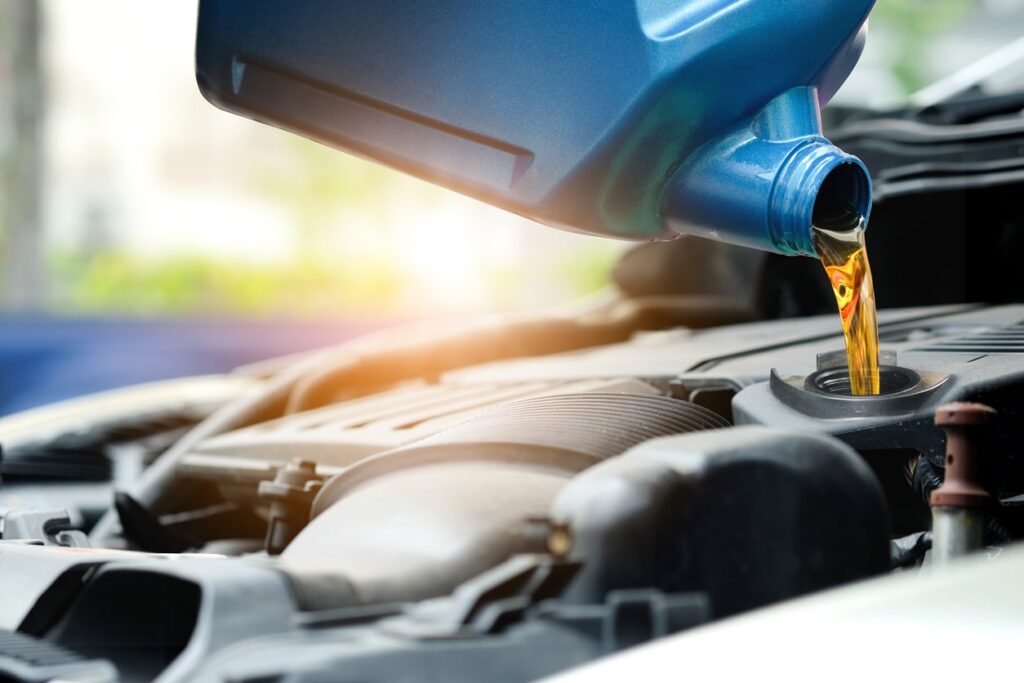
DIY Corner – Engine Oil Change
Regular oil changes are one of the most critical steps, and required every 3,000 to 6,000 miles, whether you’re running conventional oil or synthetic oil. The problem is that engine oil has a limited lifespan – it wears out and eventually loses its lubricating qualities.