

What to Do if You Get a Flat Tire
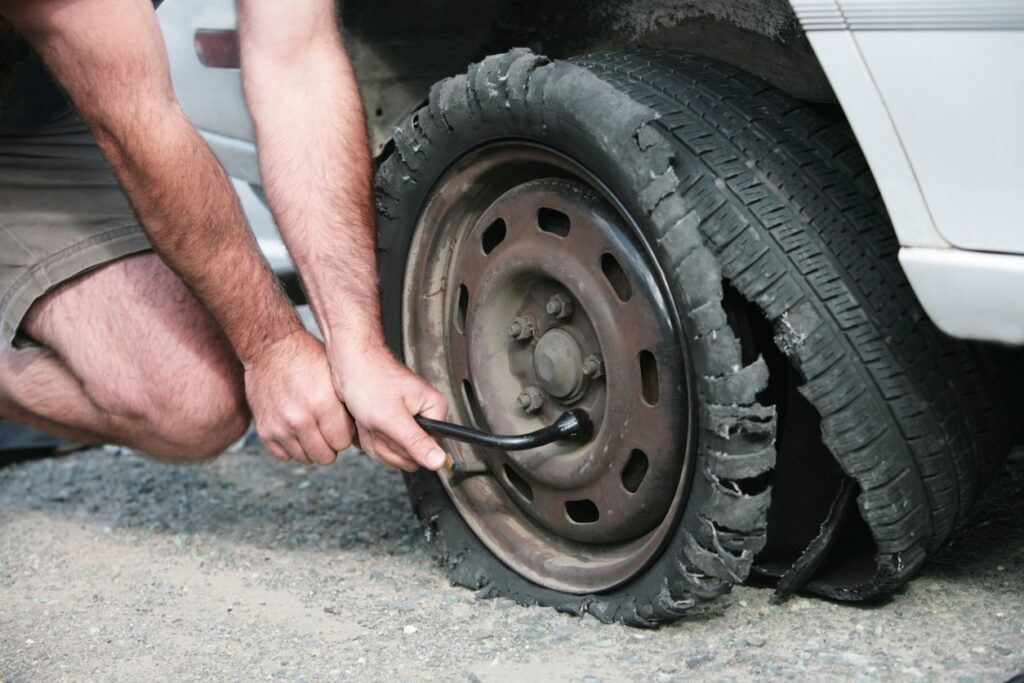
There’s always the danger that you might hit something in the road that can damage your tire. A lost car part, bolt, sharp rock – we’ve even seen animal bones and branches puncture tires – may cause a flat tire when you least expect it.

Car Brakes, An Anatomy Lesson
Of course, when someone discovered that you could put two wheels on a box and make a chariot, brakes were hardly necessary. After all, horses are born with a full suite of powertrain innovation, from an efficient engine and automatic transmission to cruise control, anti-lock brakes, and traction control.

Oil Change, How Often Are You Really Supposed To Do This?
Your local trusted auto repair technician can help you develop an oil change schedule personalized to you and your vehicle. If you have any questions about oil changes, oil change intervals, conventional or synthetic engine oil, talk to the experts at your local Dobbs Tire & Auto Center.
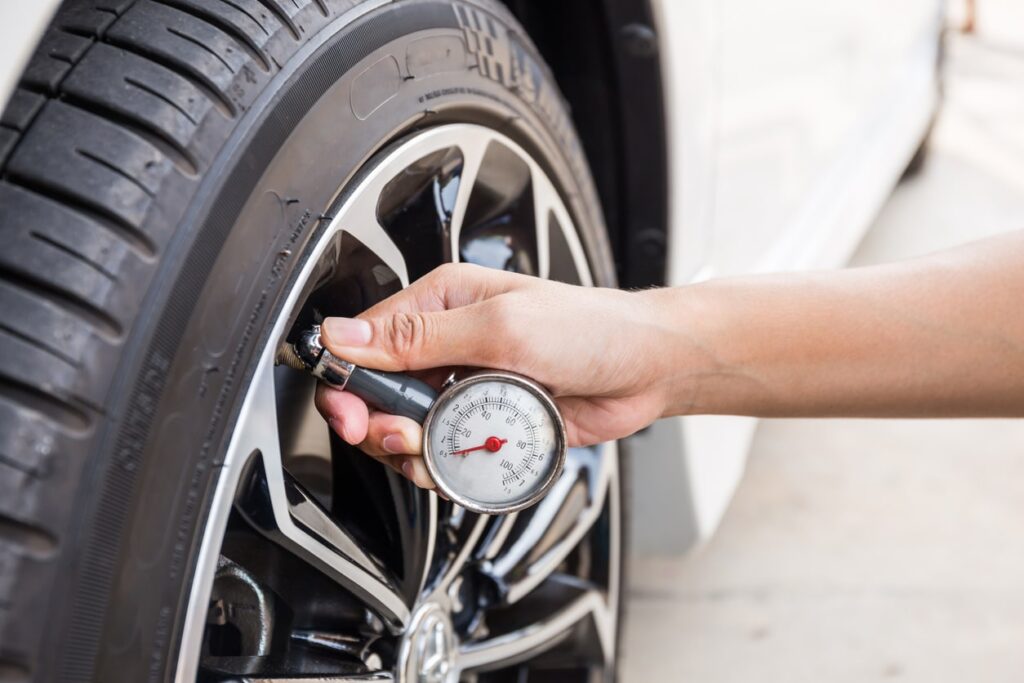
Can Your Tires Last Longer? Here’s How!
Maybe it’s cliché, but saying “there’s a lot riding on your tires” is a bit of an understatement. Tire traction makes it possible to accelerate, brake, and turn, all while keeping control of your vehicle. On dirt, gravel, or pavement, on hot summer days, cold rainy nights, or snowy winter lanes, your tires help you maintain control of your vehicle. Even in emergency situations, such as a panic stop or emergency maneuvers, your tires help you stay in control.
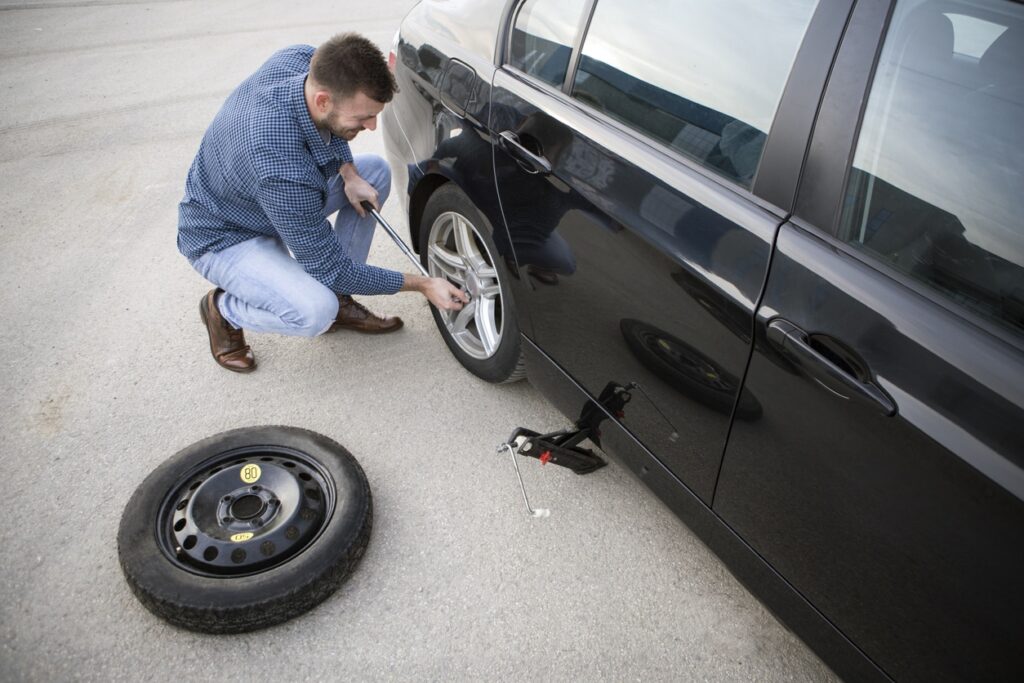
Spare Tire Time – How to Put One On
If you think about it, a tire is basically a balloon, albeit a serious balloon. Made of steel and fabric bands encased in rubber, your tires give you traction, control, and a measure of shock absorption. Still, as a balloon, it can be deflated. Road debris, such as stray car parts or sharp rocks, can puncture the tire. The tire may leak from the valve stem or between the tire and the wheel. In some cases, wheel damage, such as a bent or cracked rim, can allow air to leak from the tire. That’s when you need a spare tire.

What is TPMS and Why Should You Care?
Most drivers aren’t in the habit of regularly checking and adjusting tire pressure and that tire pressure fluctuates with temperature and time – even “sealed” tires typically lose up to 2 psi per month. As the acronym suggests, TPMS monitors tire pressure, and it does so automatically. Depending on the vehicle, you may also be able to see individual tire pressure readings. If tire pressure drops 25% from the set pressure, depending on the vehicle, a warning light will come on to alert you.

How to Survive Sudden Unintended Acceleration
Picture the scene: You’re driving down the road and suddenly the car begins to accelerate without your foot on the accelerator pedal. You’re suddenly going down the road much faster than you anticipated, and far faster than traffic and your own driving skills warrant! Enough of this “sudden unintended acceleration” (SUA), and you’ll be sure to hit another car, pedestrian, or some obstacle. Clearly, this can only end in disaster.
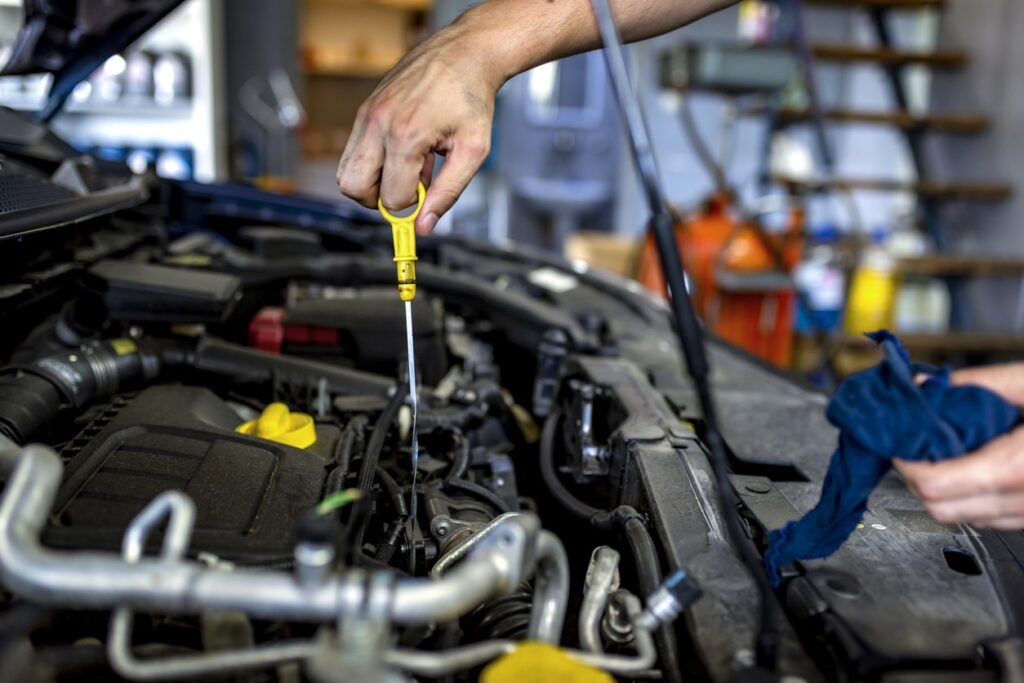
Top 7 Preventive Maintenance Tips to Keep Your Car Healthy
By taking an active role with preventive maintenance, you’re going to help extend the life of your car significantly. You could potentially cut back on fuel consumption, and you’ll definitely cut back on repair costs, not to mention the convenience of being able to plan your routine vehicle services, rather than the inconvenience and cost of unexpected breakdowns.
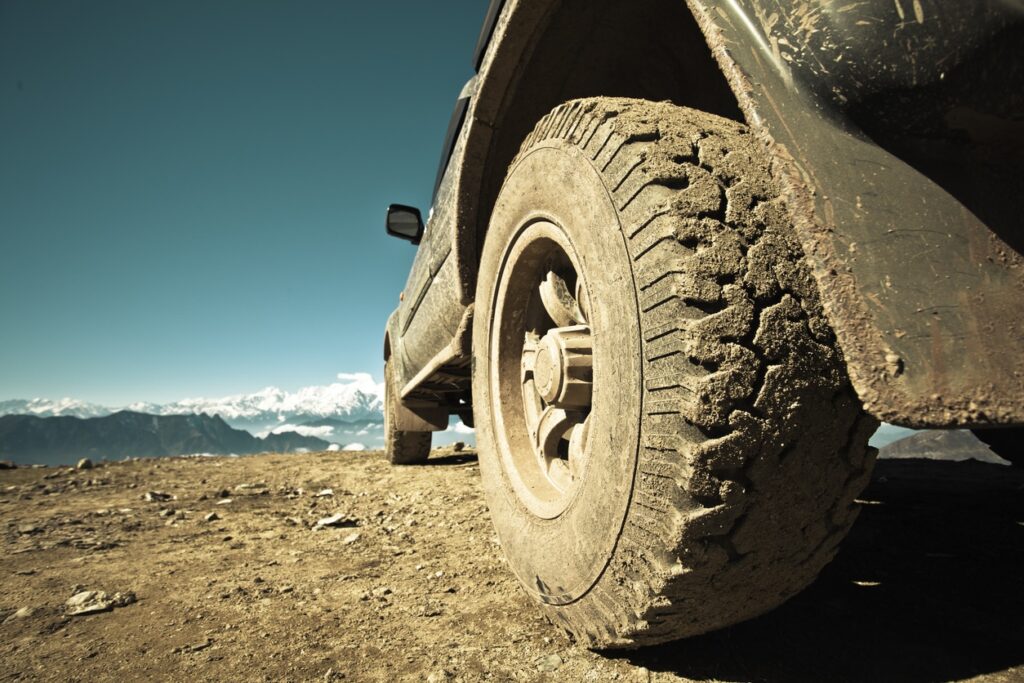
4×4, AWD, 4WD – How Do They Work?
You’ve probably seen the emblems or stickers on many different vehicles: AWD, 4×4, 4WD, etc. Then, of course, there are the manufacturer tags, such as xDrive, Quattro, All-Weather Drive, or All4, but these basically mean the same thing, usually AWD. What exactly do these tags mean, though, and why are automakers intent on you knowing their vehicles offer them? First, let’s talk about what AWD, 4×4, and 4WD are, how they work, and how they differ.
- « Previous
- 1
- …
- 38
- 39
- 40