
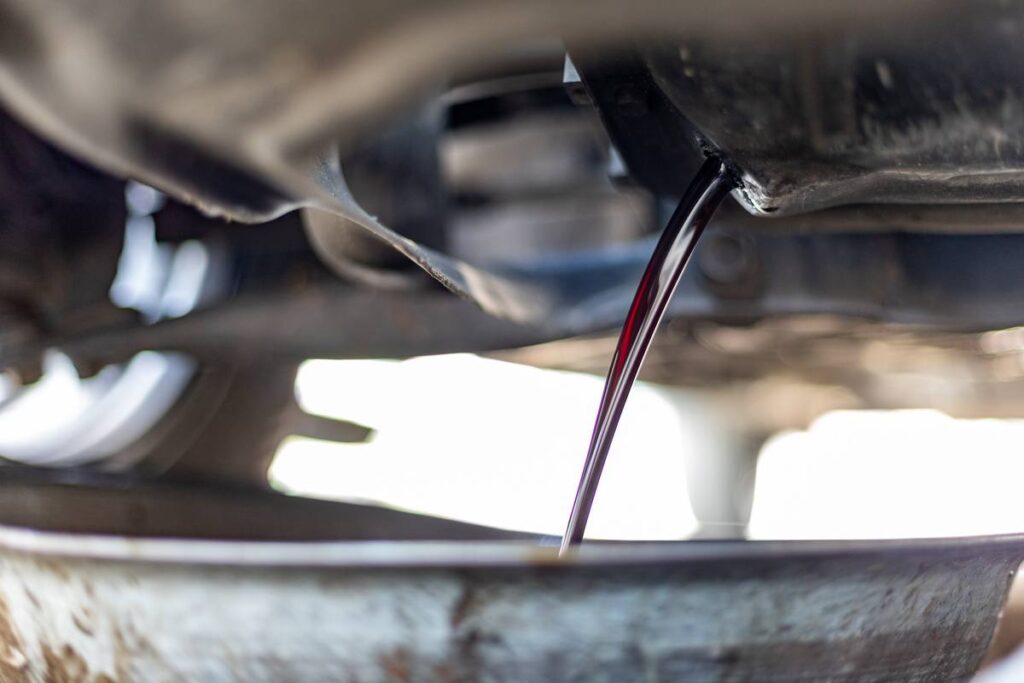
Tips for Checking Transmission Fluid Levels and Knowing When to Change It
Checking your car’s fluids is more than just a line item on your car maintenance checklist. Making sure your car’s oil and transmission fluids are clean and at the right level makes your car more reliable and significantly reduces the risk of costly repairs and malfunctions. Whether you’re new to checking your car’s transmission fluid…
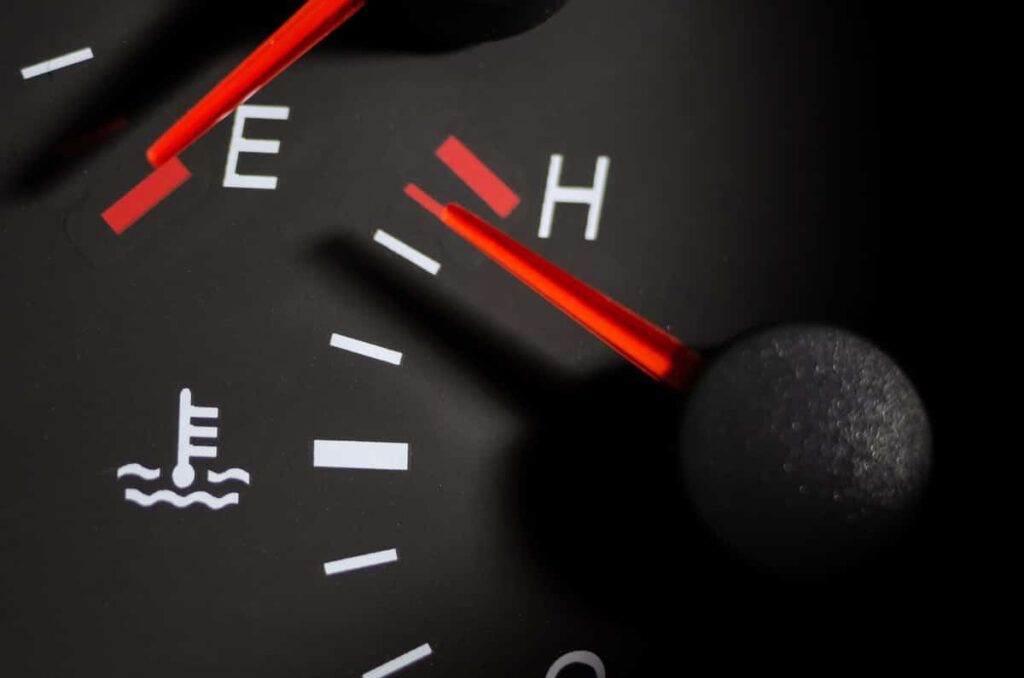
6 Signs of a Failing Temperature Sensor
Cars have thousands of components, and a lit check engine light only tells you when something is wrong, not what it is or how to fix it. If your car’s check engine light is on, it could be a sign of many different issues, including a failing temperature sensor. Keep an eye out for these…
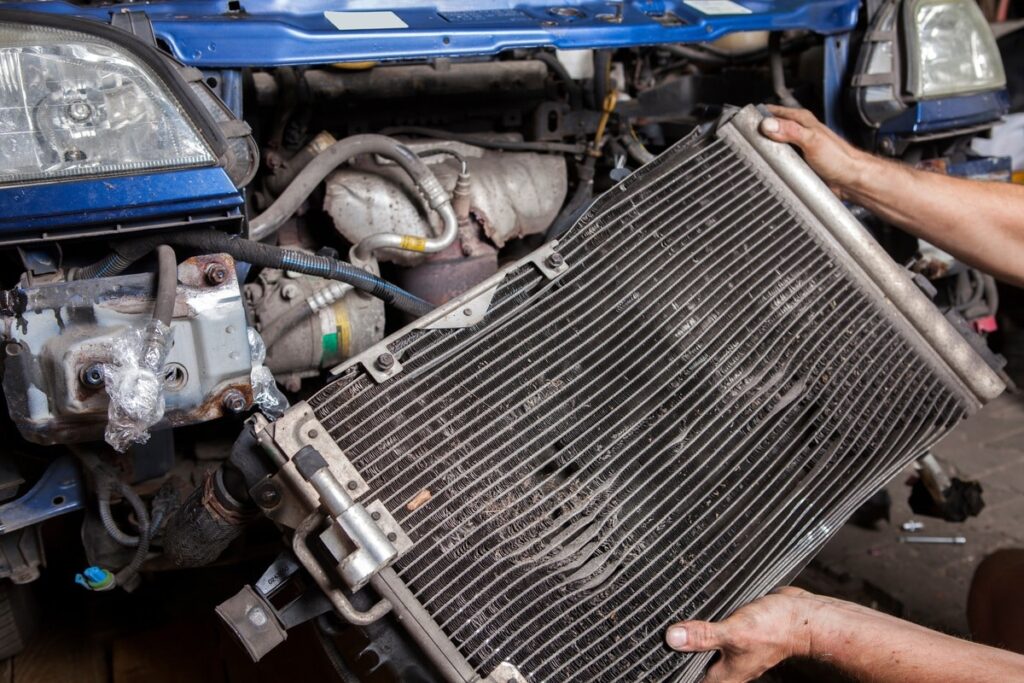
4 Parts That Commonly Fail After the Radiator Goes Bad
After the radiator goes bad, the reality is that other parts tend to malfunction. Surprisingly, radiator failure occurs more often than many car owners think. The radiator – or the main component of a car’s heating and cooling system – works by circulating coolant through the engine and dissipating the heat that is generated during…

Drive Smarter: 6 Eco-Friendly Driving Myths Busted
While you may strive to drive eco-consciously, separating fact from fiction can be tricky. Misinformation about fuel efficiency and sustainable car practices can lead to unintended consequences for your wallet and the environment. Here are six common eco-friendly driving myths and the truth behind them. Myth 1: Idling Your Vehicle Saves Fuel Contrary to popular…
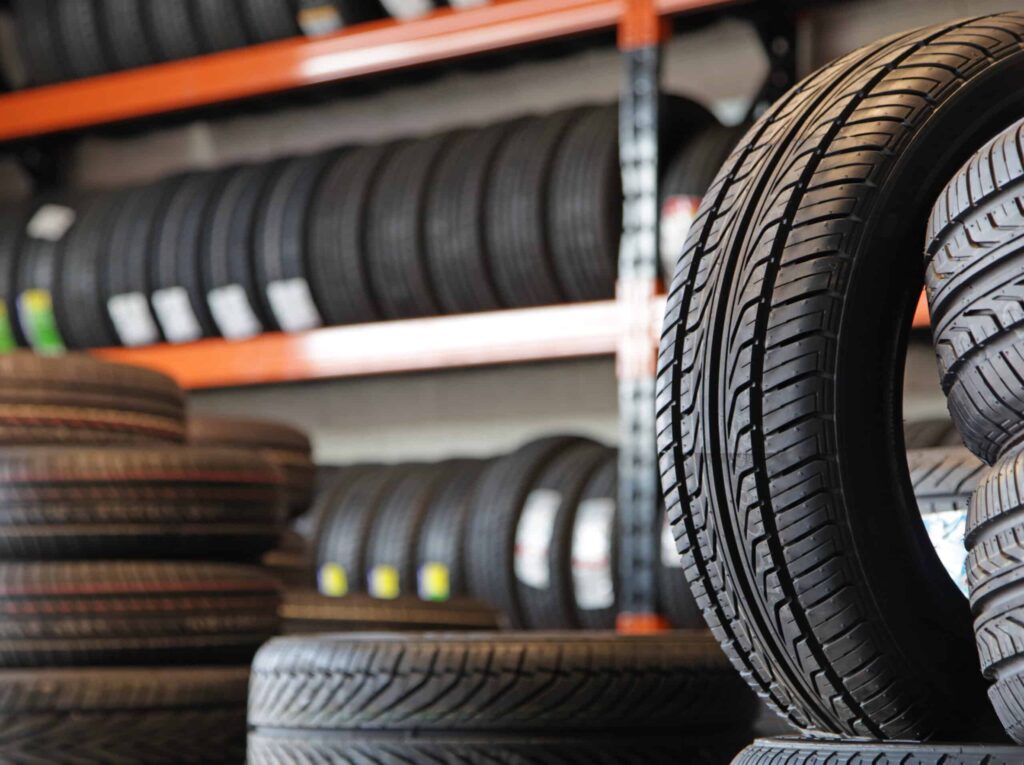
How Often Should You Replace Your Tires? Signs It’s Time for an Upgrade
Most drivers hold out on tire replacement for as long as possible. However, this reluctance to upgrade from an old, worn-out set can create inconvenient and potentially dangerous situations out on the road. Now for the big question: how often should you replace your tires? As much as we’d like to provide a hard and…
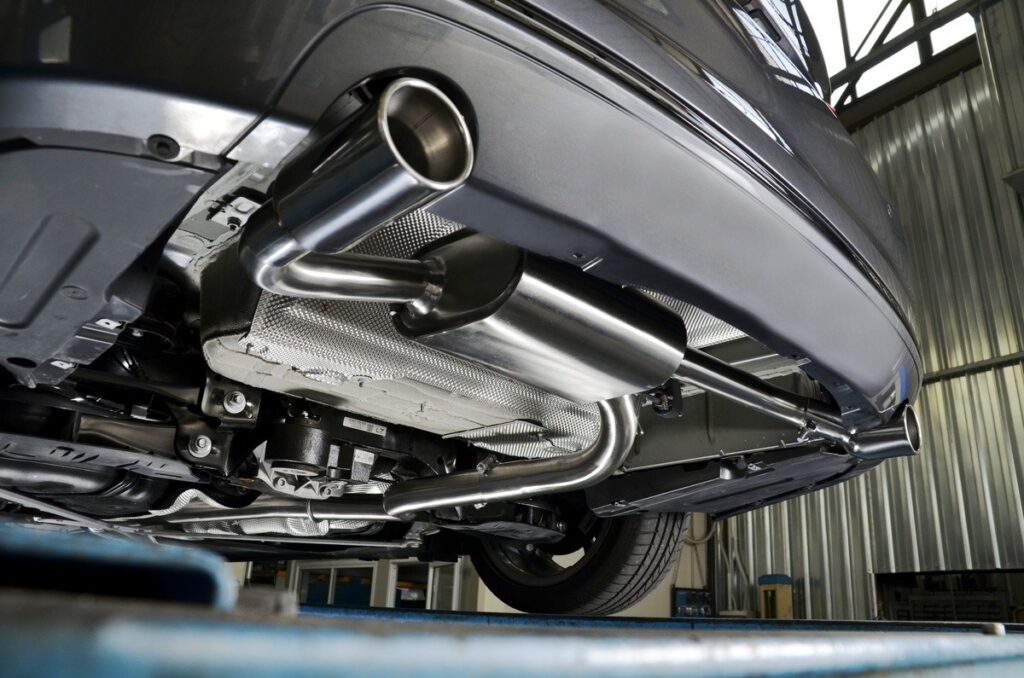
5 Tips to Prevent Exhaust Leaks
An exhaust leak – or a breach in the exhaust system of a vehicle – can be detrimental to your car, as well as hazardous to your health. They can occur anywhere, including the catalytic converter, exhaust manifold, or muffler. In order to keep your car performing at its best, it’s important to know how…
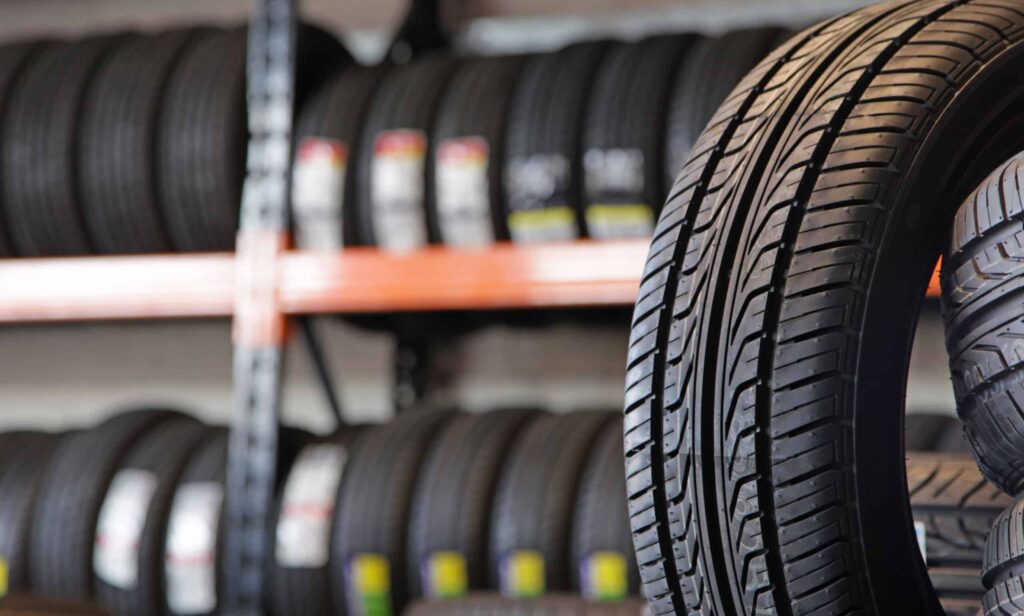
Debunking Common Tire Myths: What You Should Know When Purchasing Tires
Most drivers have an elementary understanding of tires and their role in optimizing vehicle safety and performance. But, when the rubber meets the road and it’s time to purchase a new set, the details get murky. While there’s plenty of information available to help drivers find the right tires for their cars, there are…
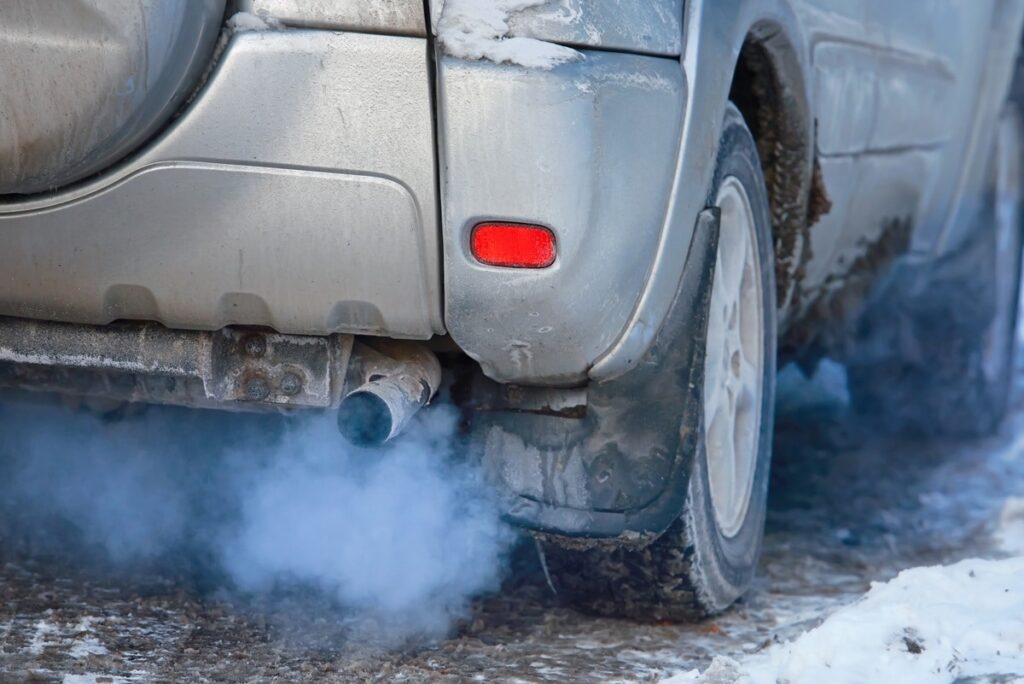
What is Causing My Car Exhaust to Emit Blue Smoke?
Blue smoke coming from your car exhaust can be alarming. While visually striking, the situation could signal dangerous emissions or mechanical issues. Keep reading to discover what may cause your car’s exhaust to emit blue smoke. Oil Leaks in the Combustion Chamber As your car’s engine ages, vital components begin to wear out. Cracked and…

5 Reasons Your Engine May Be Overheating
With thousands of controlled mini-explosions happening every time you drive, combustion engines will always be hot. But if the temperature under your hood exceeds the acceptable threshold of approximately 220 degrees, something’s not right. Engine overheating is a relatively common issue drivers face – especially those with older vehicles. However, the results can be disastrous…
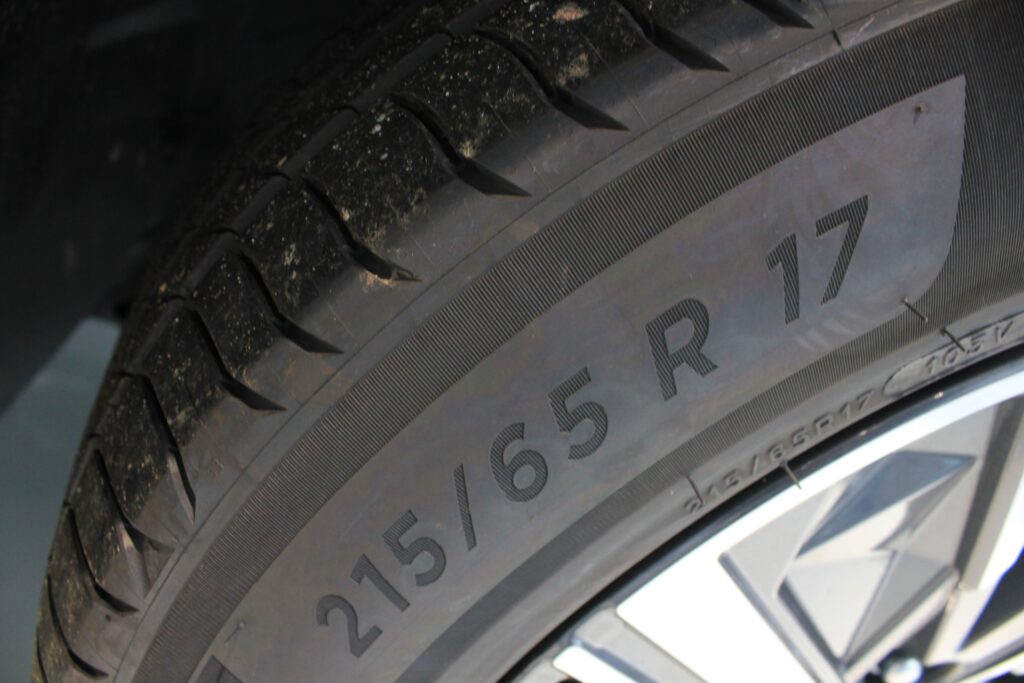
What Do All Those Numbers on Your Tires Mean?
If you’ve ever looked closely at your car’s tires, you’ve probably noticed a string of numbers and letters on the sidewall. While they may seem confusing (or even a bit overwhelming), these numbers provide crucial information about your tires, such as their size, performance capabilities, and safety ratings. In addition to helping you find the…