
Nothing can be more frustrating than driving a vehicle with mechanical problems. Not only can driving a vehicle with mechanical problems cause excess stress due to potential breakdowns, but it could jeopardize your safety depending on the specific issue. One common problem that many vehicles experience is a faulty PCV valve. If your vehicle is experiencing mechanical issues and you believe it might be a bad PCV valve, here is an overview of what a PVC valve does as well as some symptoms to look for.
What is the Function of a PCV Valve?
PVC stands for positive crankcase ventilation and this essential part is located in the engine, where it has an important job. The PCV valve functions as your vehicle’s ventilation system, as it regulates the amount of air that flows through your car’s engine. This airflow controls the amount of potentially harmful fumes that leave the vehicle. A properly functioning PCV valve is necessary for overall engine health and any malfunction could prevent your engine from working properly. Failure to replace a faulty valve will eventually result in an engine crash.
Faulty PCV Valve Symptoms
If your PCV valve is malfunctioning, you will notice several distinctive symptoms. Here are just some of the symptoms that you might notice:
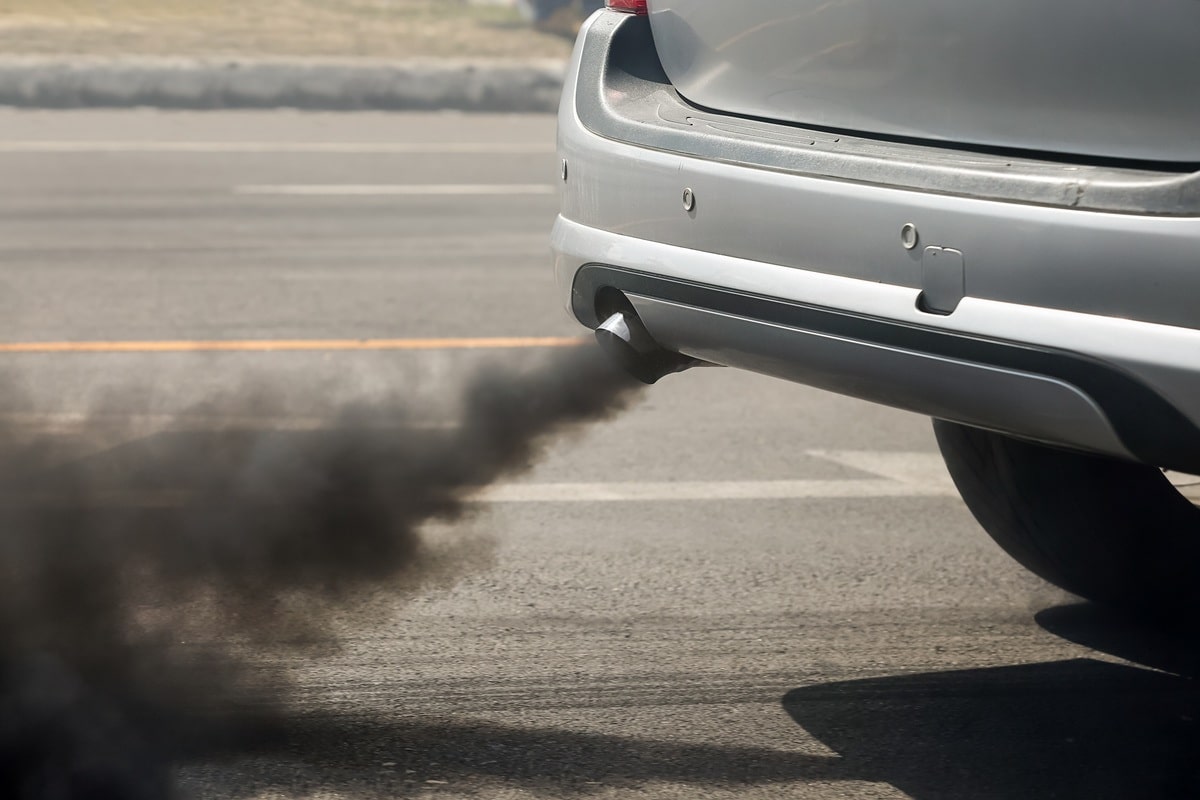
- Discolored exhaust gas that is white, black, or blue
- A check engine light warning
- Rough idling and acceleration
- Whistling or hissing noises from the engine
- Increased fuel consumption
- Misfiring
- Engine oil leaks
Keep Your Car in Good Repair
If you live in Missouri and believe your PCV valve might be faulty, Dobbs Tire & Auto Centers can diagnose and repair your problem. We have locations in Columbia, Jefferson City, and St. Louis for your convenience. Contact us today to set up a day and time for our friendly and knowledgeable mechanics to carefully evaluate your vehicle and provide you with an accurate diagnosis and estimate.